
How the coaching developed
- Progress and results
- Setback
- Finding tolerable loads
- Adjusting the programme
- Pause in training
First goal
September 2025
Prepare the deadlift for assessment
Tanya came in September 2025 with a specific goal: prepare her deadlift for assessment. Passing affected her income. She was not going to the gym then, and her knees were already troubling her. Running preparation was outside our agreed task.
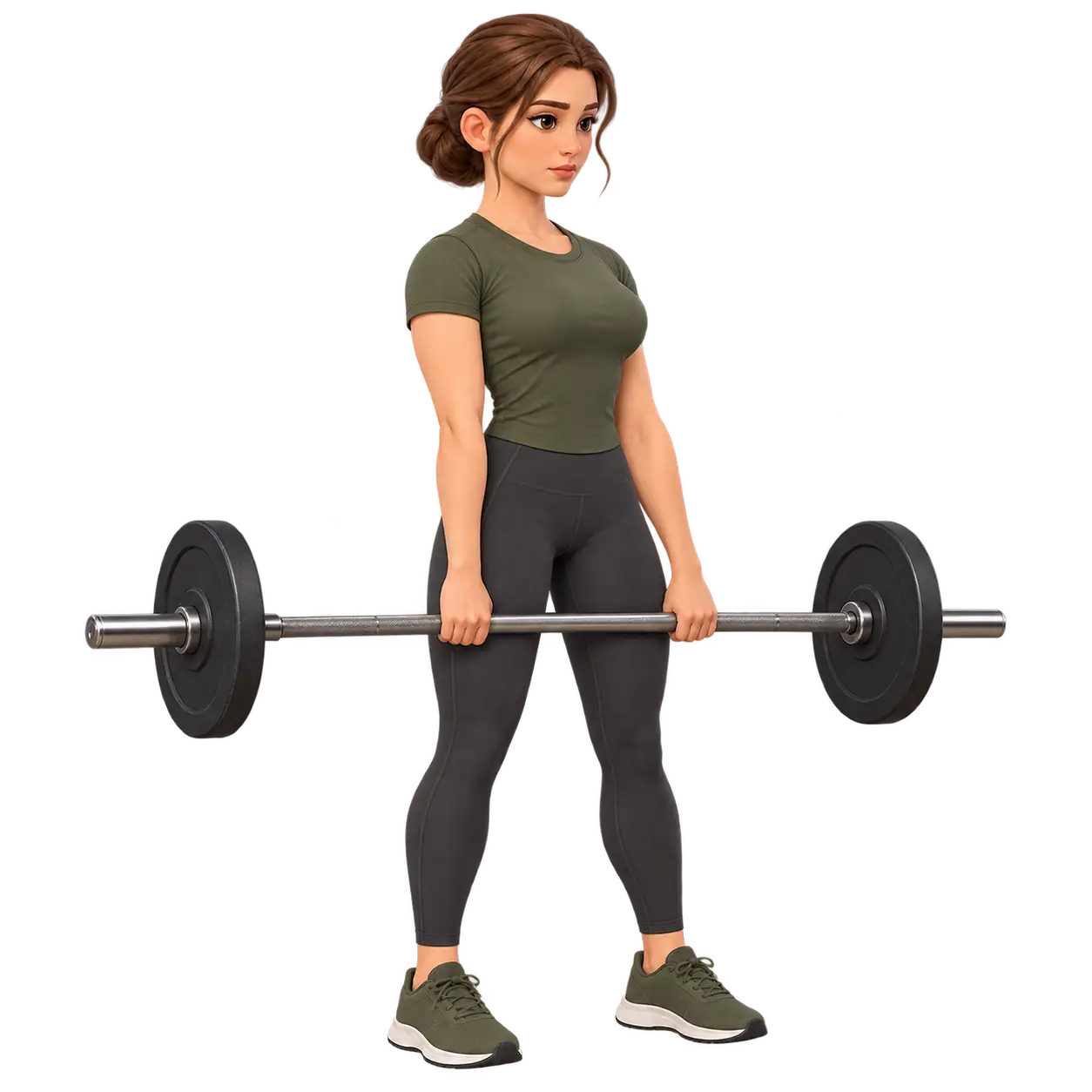
Tanya could lift the required weight straight away, but could not yet complete the required number of repetitions while maintaining control of her trunk. In bird-dog exercises, we practised maintaining her lower-back position; in single-leg hinges, she learnt to feel her glutes and hamstrings working. We then carried this over to the deadlift. We prepared her deadlift technique in four personal sessions. I then wrote a month-long programme: Tanya continued working through it and improved her performance. She passed the deadlift assessment.
4 personal sessions
Prepared the deadlift techniqueAfter technique preparation
Continued improving performance through the programme- Passed the deadlift assessment
Setback
First round of fitness tests
Assessment passed — knee pain worsens
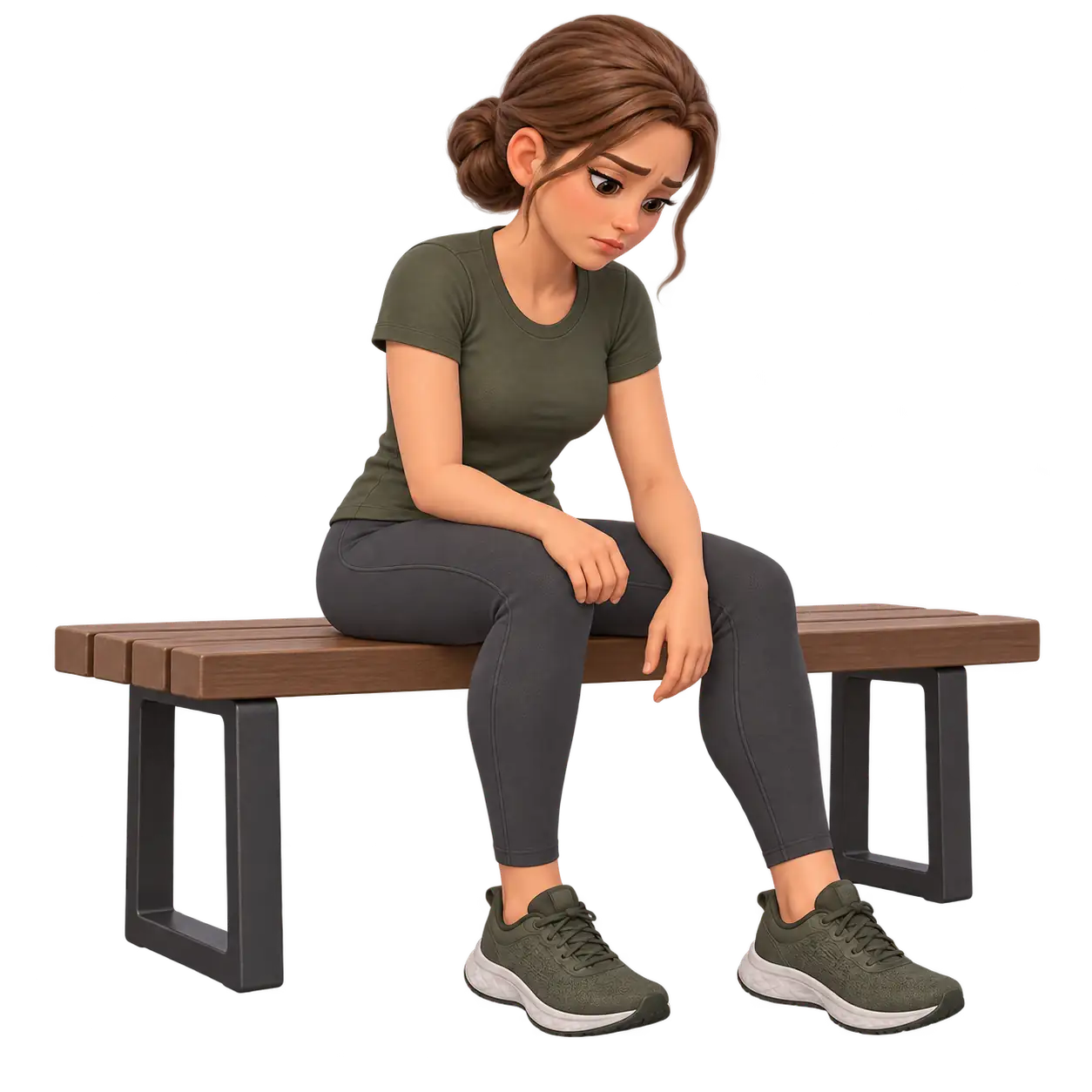
The same assessment included a three-kilometre run and a shuttle run. We had not prepared for those events: the original request was for the deadlift. After the running exertion on a cold day, her knee pain became much worse. Tanya was upset: she had passed the assessments, but continuing to train had become harder.
Pause
After the first assessment
Two months away from training
After the first assessment, Tanya took two months away from training.
A changed task
Returning after the break
Working within the doctor’s guidance
After the two-month pause, Tanya returned with a goal of losing weight. Preparing a programme now also meant finding out what loads her knees could tolerate.
Her doctor advised limiting knee flexion. That changed exercise selection: a standard leg programme could not simply be applied to Tanya.

We needed to keep training possible, work on weight and develop strength while accounting for her knees’ response. We began checking individual movements.
Testing and adjusting
Selecting exercises
Even a light movement could hurt
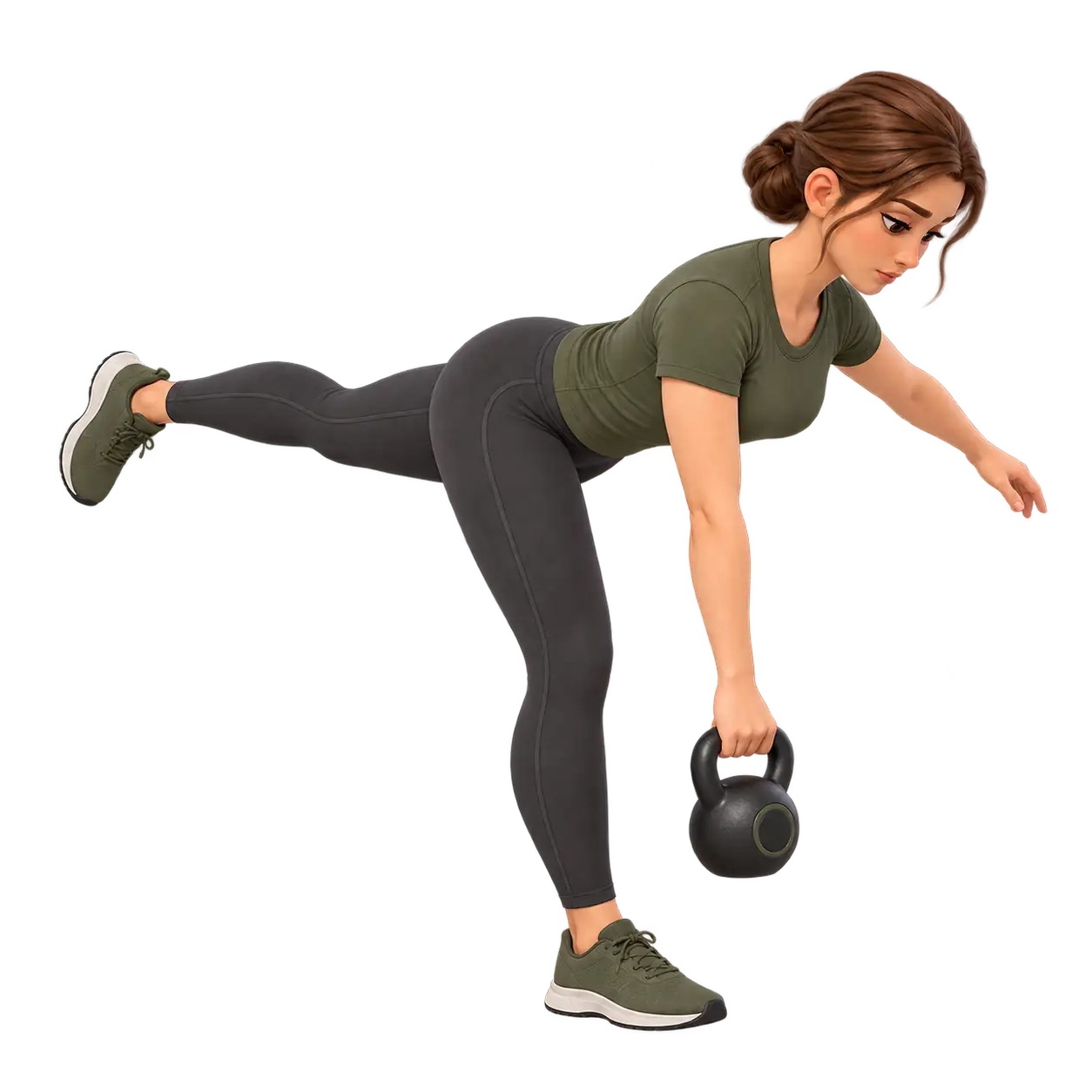
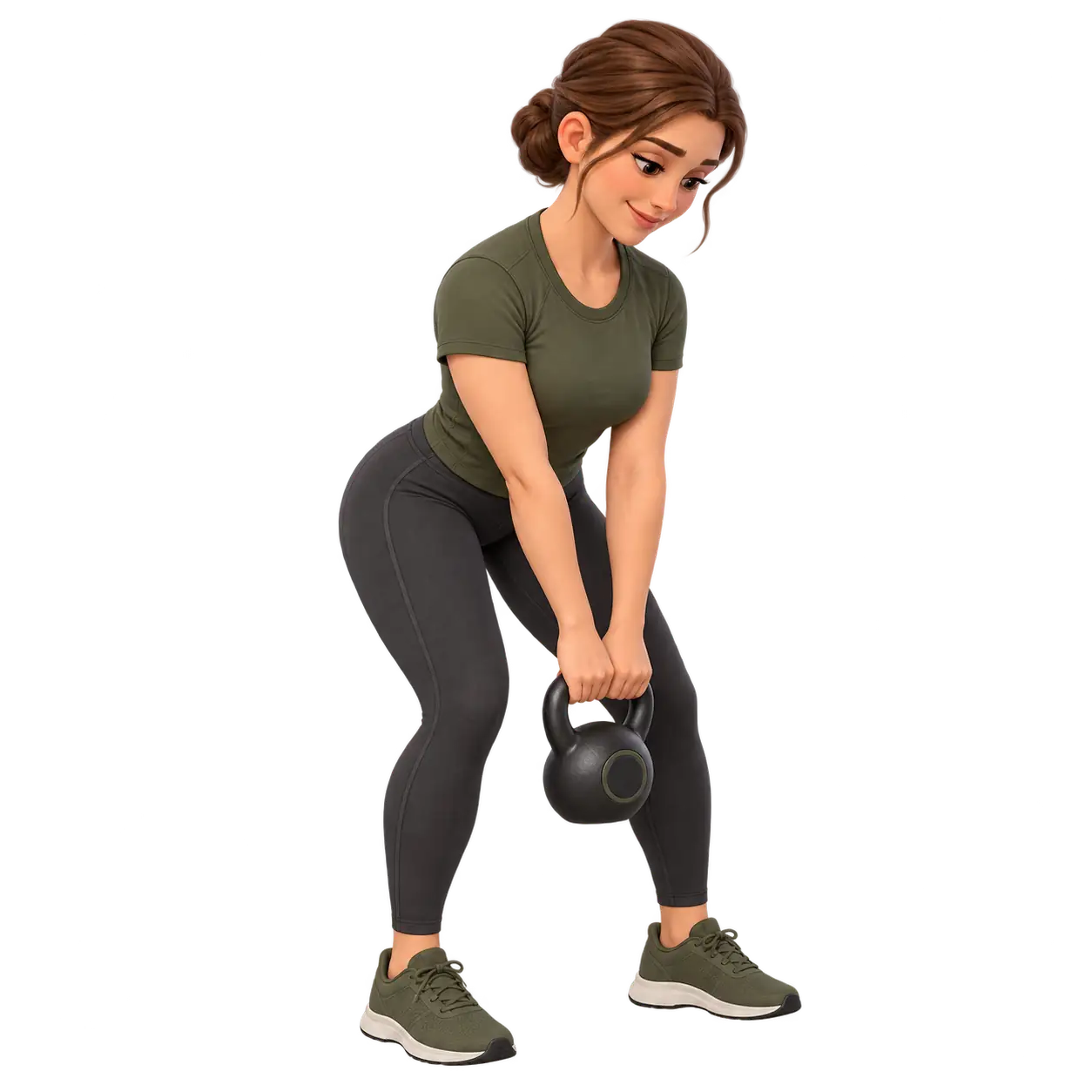
A bicycle movement while lying on her back and dynamic plank walking caused pain without heavy weights. Yet picking up a kettlebell, swings and a single-leg hinge with a light kettlebell were tolerable. These variations involved little change in knee angle.
Gradual progress
Building strength gradually
Finding a tolerable way forward
We started with the gluteal muscles: cable hip extensions and abductions. We added suitable kettlebell exercises and, later, foot work. This gave us a programme in which strength and load could develop gradually.
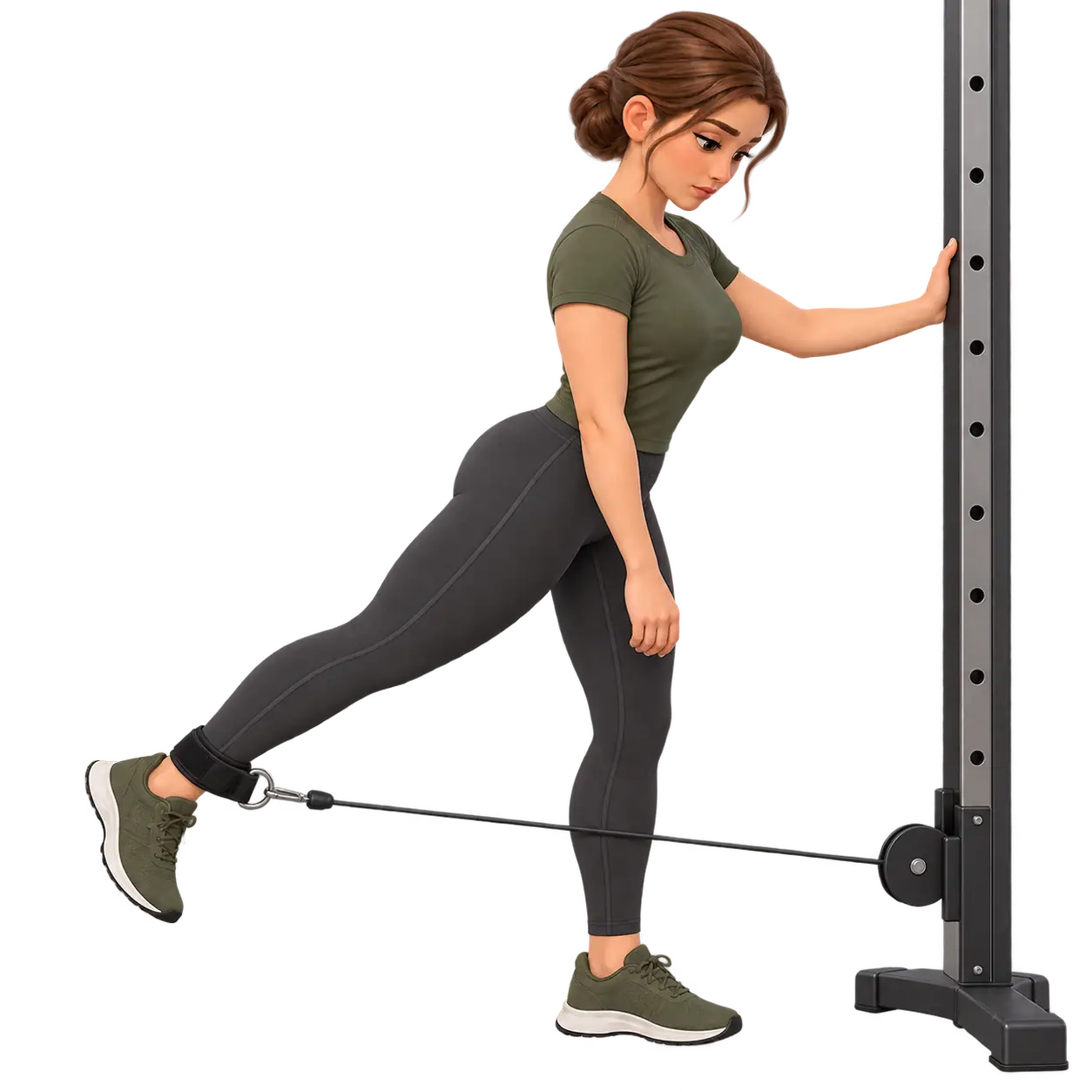
Progress was slower than in a standard programme with squats and lunges. Over time, I observed less frequent, milder knee pain and better recovery after exertion.
- Started with gluteal work
- Later added foot exercises
- Knee pain became less frequent; recovery improved
Training in daily life
Ongoing coaching
Fitting training around shifts and night duty
Suitable exercises were only part of the task: the programme had to fit around shifts and night duty. We learned kettlebell work at home and outdoor sessions for days when there was no time for the gym.
The next test
Spring 2026
The next assessment — and easier recovery
She did well in the next assessment. Her knees still hurt after the running events, but the flare-up was milder than before. She returned to normal training in about a week.
The result goes beyond passing assessments. During our work together, Tanya began earning more, had more energy in daily life and found her knees less disruptive to training. Coaching continues.
Spring 2026
Did well in the next assessmentAbout a week after the assessment
Returned to normal training
What changed in daily life and training
Over our time working together, Tanya began earning more and feeling more energetic in daily life. Her knee pain is less frequent and less intense, and recovery after exercise has improved.
Her weight went from 96 to 90 kg. She learned to do 15 floor push-ups with improved technique; assistance on the pull-up machine went from 40 to 20 kg, then we moved to resistance bands. These changes happened over the longer coaching period.
We are continuing with two gym sessions and two cardio sessions, preparing for the next tests with a focus on running and push-ups. We are also continuing to work on nutrition.
Source of the story
This case was recorded from my account on 6 October 2026. Changes in pain and well-being are observations over the coaching period; the figures relate to different stages of our work.