
How the work developed
- Starting point
- Progress and results
- Setback
- Finding tolerable loads
- Adjusting the programme
Getting started
Summer–autumn 2024
From first assignments to regular training
After a long period of sedentary work, Marat felt low on energy and wanted to gain muscle and strength. I started with a programme and individual assignments. About 1–1.5 months later, we began training together three times a week; his usual routine is now two or three sessions a week. To support weight gain, we roughly estimated his calorie and protein intake. We added foods and an extra meal.

- Moved from a programme and assignments to joint training
- Bulgarian split squats initially felt difficult without weights
First setback
January–February 2025
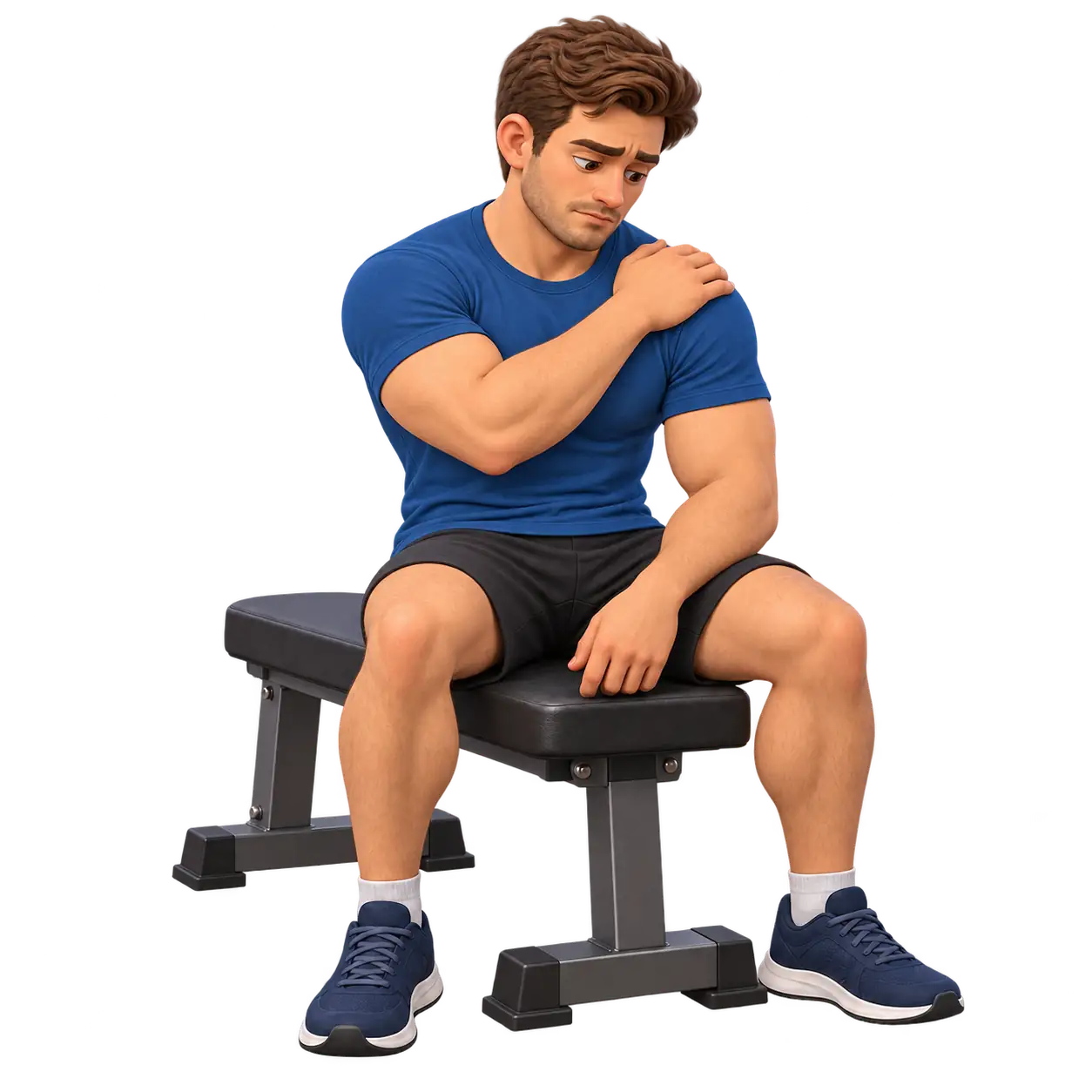
Shoulder pain disrupts familiar training
Pain in his left shoulder persisted. Marat consulted specialists; while assessment was ongoing, his usual upper-body workload had to change.
Adjusting the plan
During assessment
Continuing with a different workload
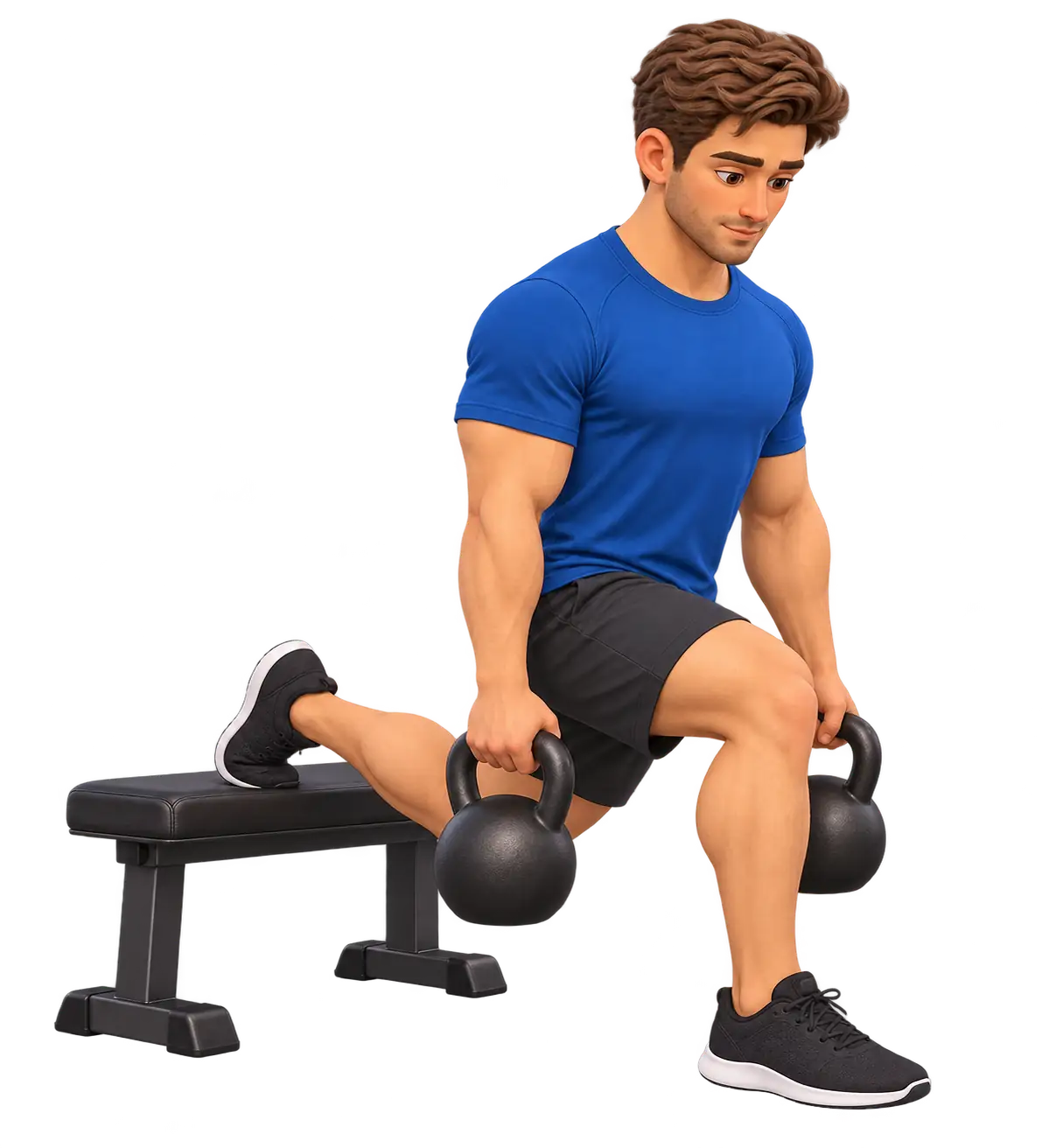
We reduced push-ups and pull-ups. Strength and functional leg work remained: coaching continued, although the programme was different.
- Reduced push-ups and pull-ups
- Retained strength and functional leg work
Returning
2025 — spring 2026
A period of feeling well
We added shoulder exercises to the plan and continued to use feedback. As I recall, Marat reported feeling better during this period.
On 10 October 2025, Marat wrote: “My shoulders don’t hurt.” On 8 April 2026 he again described their condition as excellent. A further setback followed.
10 October 2025
Reported that his shoulders did not hurtAutumn 2025
First muscle-up8 April 2026
Again described his condition as excellent
Another setback
Late spring–summer 2026 · approximate
Pain returns after bench pressing
As I recall, Marat competed with someone in bench pressing and injured his shoulder again. The pain persisted. He was upset: the pain had returned after a period of feeling well.
A new adjustment
After the second setback
Increasing static hold time

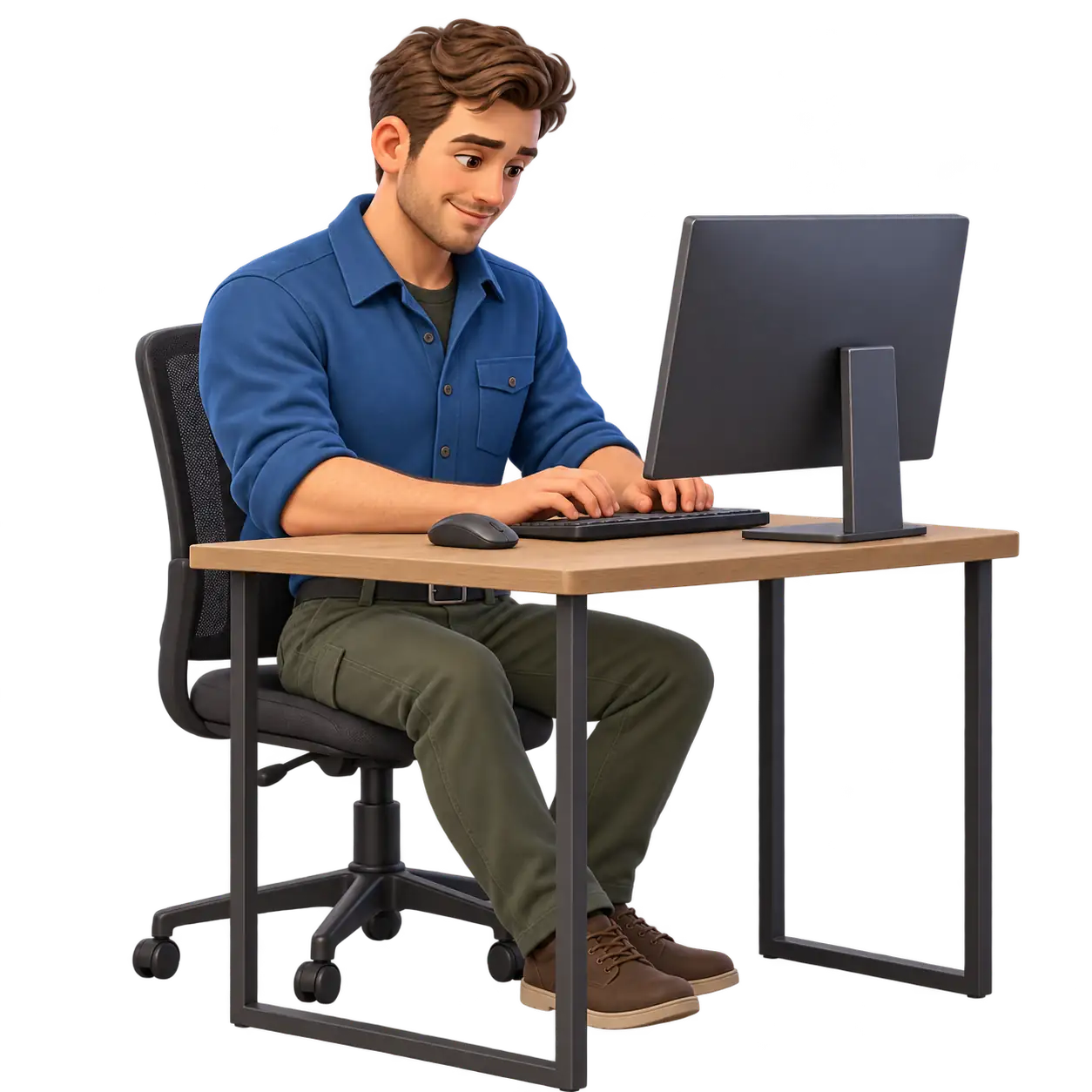
We lengthened the static phase of exercises already in use. We focused on the shoulder’s ability to tolerate sustained arm positioning, which also mattered during computer work.
Observed result
September 2026
Checking changes through his feedback
On 4 September, Marat reported feeling good all day after the static work. From my observations, after the programme changed, his shoulder tolerated holding positions better and the pain subsided.
This history includes periods of improvement and the need to revisit a plan that had previously worked. Regular coaching continued, with shoulder condition remaining part of the feedback.
4 September 2026
Felt good all day after static work- Continued regular coaching
Strength progress and day-to-day wellbeing
Bulgarian split squats initially felt difficult even without weights. Marat now does 15 reps per leg with two kettlebells—16 and 10 kg, 26 kg in total. He does 10 pull-ups and learned his first muscle-up in autumn 2025.
Over roughly a year to a year and a half of regular training and eating, his weight rose from his usual 70–72 kg to 82 kg. This is total body weight; body composition was not measured separately.
Marat reported fewer headaches, a clearer head and less tension around his shoulders. A full day at the computer felt easier, and he still had energy in the evening.
Alongside this · training with Varya
In March 2025, we arranged a trial online session for Varya, Marat’s girlfriend. By November, the conversation discussed completed workouts for both. I now coach Marat and Varya: a shared format retains individual goals and feedback.
A moment from this story
March 2026
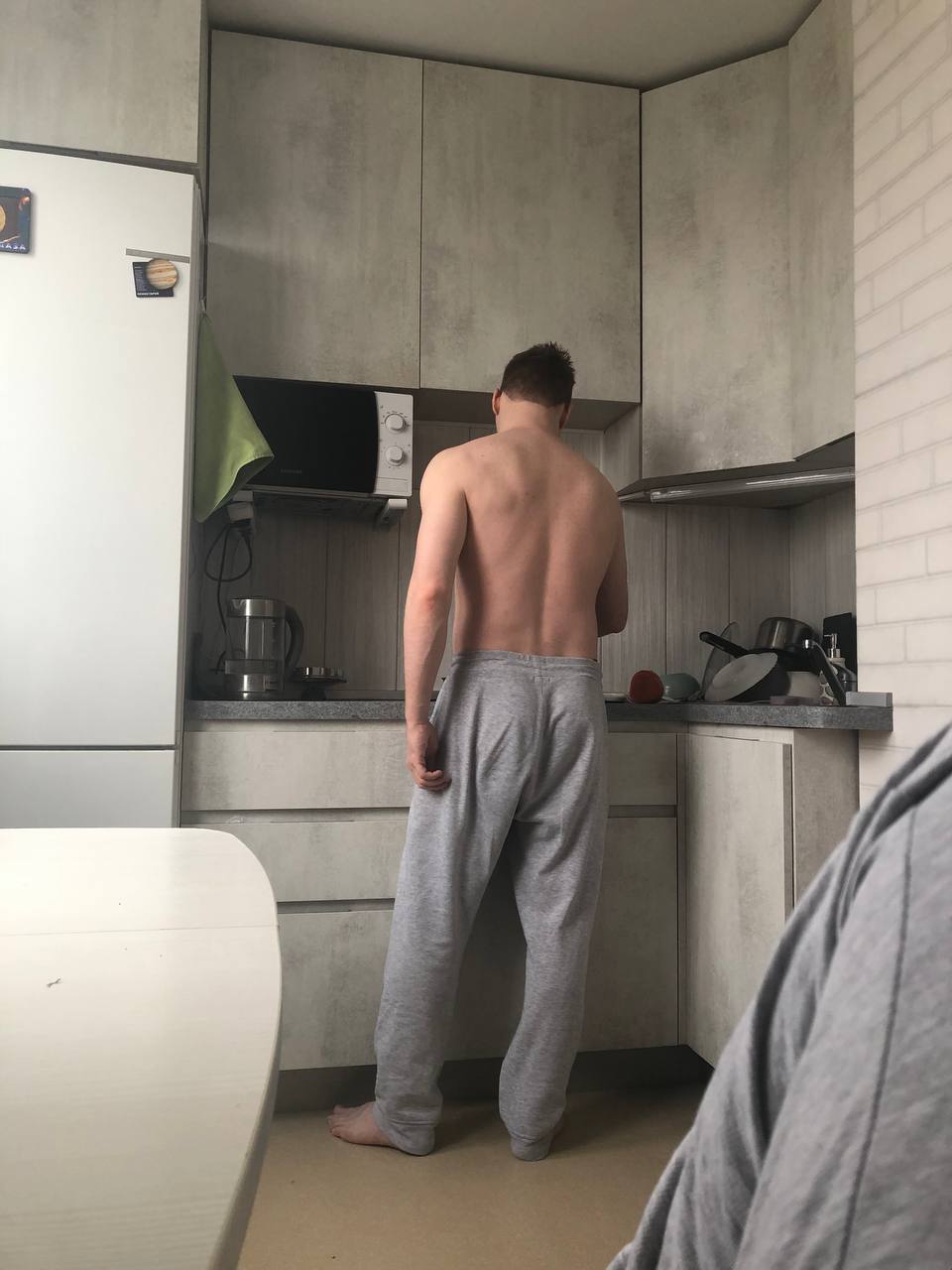
A back photo from the conversation, forwarded from Varya on 8 March 2026. It predates the described recurrence after bench pressing and is not a before-and-after comparison.
What this case is based on
The story draws on our chat history and my clarifications in October 2026. Message and photo dates were checked in the chat; strength results, weight changes and day-to-day wellbeing come from my account. The period of the recurring setback is approximate. This training history does not establish a medical cause of pain or the contribution of a single exercise.